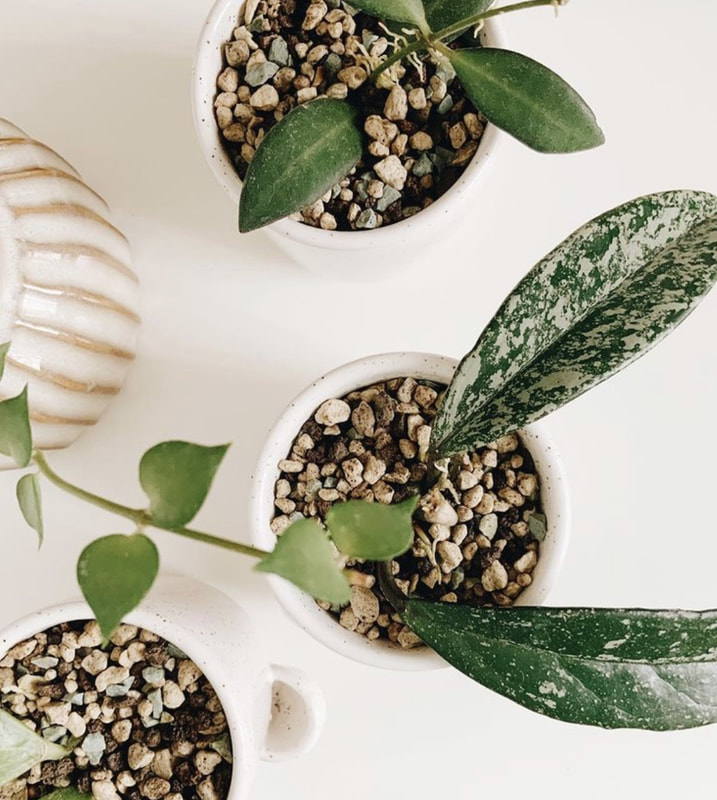
 Your guide to watering and caring for plants in Pon is comprehensive and informative. Here's a structured summary with additional insights to cover all aspects mentioned:
Watering Plants in Pon
1. Watering Methods
Top Watering / Shower Method:
- Description: Thoroughly flush the Pon and roots with water, ensuring that excess drains out of the pot. Ideal for pots with drainage holes.
- Frequency: Generally less frequent watering compared to other substrates due to Pon's superior moisture retention.
- Advantages: Ensures even moisture distribution and helps prevent localized dry spots.
Self-Watering Pots and Wick Watering:
- Description: Utilize the built-in reservoir or wicking system to maintain moisture levels.
- Tip: Allow the reservoir to dry out before refilling, implementing a 'dry phase' to avoid over-saturation.
- Frequency: Typically, top up the reservoir about once a month, adjusting based on plant needs and environmental conditions.
2. Preparation for Watering
Initial Watering After Potting:
- Top Watering: After potting in Pon, water thoroughly until the Pon is evenly moist and water drains from the pot. This helps to settle the substrate and remove any residual fines.
- For Self-Watering Pots: Empty the reservoir after the initial watering to avoid excess moisture while the plant adjusts.
Post-Potting Care:
- Rest Period: Avoid watering again for at least 2 weeks to allow the plant to adjust and for the Pon to stabilize its moisture levels.
- Monitoring: Check the Pon's color to gauge moisture levels. If the Pon has dried out and the plant shows signs of needing water, you can begin to refill the reservoir or top-water as needed.
Transferring Plants to Pon
1. Preparation
Pon Prep:
- Pre-Rinsing: Generally not necessary with high-quality Pon like Lechuza, but you can rinse if desired. Typically, the first water after planting will flush out any dust.
Plant Prep:
- Root Cleaning: Thoroughly rinse roots if transitioning to 100% Pon to remove organic matter. Less critical if using Pon as a partial mix (25% or 50%).
2. Potting Up
- Method:
- For 100% Pon: Add a layer of Pon to the bottom of the pot, place the root ball on it, and fill the rest with Pon.
- For Mixed Methods: Add Pon in the bottom layer, around the sides, and optionally on top, combined with other substrates as needed.
3. Watering After Potting
- Top Watering: Thoroughly water the plant to ensure all Pon is evenly moistened. Allow excess to drain out.
- Self-Watering Pots: Empty the reservoir after initial watering and wait before refilling.
Myco and Pon
- Compatibility: Mycorrhizal fungi (Myco) work well with Pon. Introduce Myco when potting by placing it below the root ball for optimal colonization and root health.
Longevity and Reuse
- Durability: Pon is reusable and can last for years without breaking down. This reduces the need for frequent repotting and minimizes substrate waste.
Fertilizer Requirements
Specialized Fertilizers:
- Hydroponic Fertilizers: Best for Pon as they provide all essential minerals. Look for complete formulations that include all 12 essential minerals.
- Example: Growth Technology (GT) is recommended for its balanced, low-salt formula free from urea, sodium, and chlorides, which helps prevent fertilizer burn and is pH balanced.
Combination with Seaweed: Using seaweed extracts can help fill nutritional gaps and enhance overall plant health, especially if the fertilizer used lacks certain nutrients.
Summary
- Pon offers excellent water retention, is durable, and can be used with various watering methods including top watering, wick watering, and self-watering systems.
- Preparation is relatively straightforward, with minimal rinsing required compared to other substrates like Leca.
- Myco enhances root health and should be used during potting.
- Fertilizer should be hydroponic or semi-hydroponic, ensuring all essential minerals are provided.
If you have any additional questions or need further clarification on using Pon, feel free to reach out. Happy gardening! 🌿